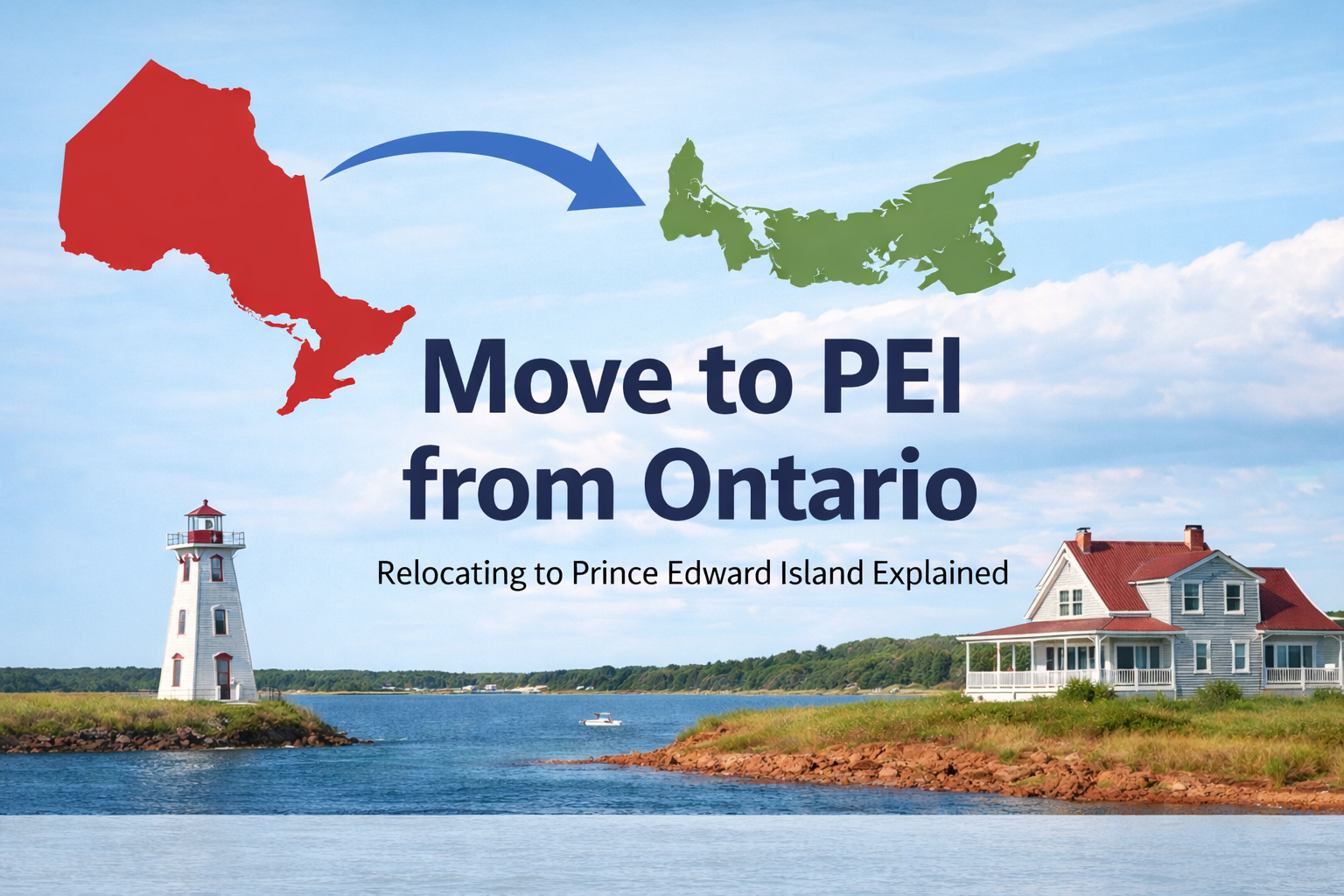
Moving to Prince Edward Island from Ontario: What Buyers Should Know
Last updated: March 2026
Prince Edward Island offers a slower pace of life, coastal scenery, and welcoming communities. However, if you're relocating from Ontario, the home buying process and daily realities can feel quite different. This guide explains what Ontario buyers are often surprised by when purchasing property on PEI — from heating systems and rural utilities to the practical details that influence long-term ownership costs.
The biggest differences Ontario buyers notice
- More rural homes: Many properties rely on private wells and septic systems.
- Heating systems vary: Oil, electric baseboard, heat pumps, propane, and wood heating are common.
- Older housing stock: PEI homes often vary widely in updates and energy efficiency.
- Service differences: Internet availability and trades access can vary depending on location.
- Buying strategy: Inspections, water testing, and septic checks are often important conditions.
Housing on PEI compared to Ontario
Compared with many Ontario markets, PEI real estate can offer excellent value. However, the types of homes available are often different. Outside larger communities such as Charlottetown homes for sale or Summerside homes for sale, buyers will find more rural properties with larger lots and private services.
What surprises Ontario buyers most
- Rural listings are common: Even homes near towns may rely on well water and septic.
- Older homes: Renovation levels can vary widely between similar priced properties.
- Outbuildings: Detached garages, barns, and workshops are common on PEI.
- Seasonal properties: Some cottages may require upgrades for full-time living.
Buyer tip: Compare total ownership costs, not just purchase price. Heating systems, insulation, and rural infrastructure can significantly affect monthly expenses.
Heating systems and winter costs
Heating is one of the most noticeable differences for buyers moving from Ontario. PEI homes often use a mix of systems depending on the age of the property and how it has been updated.
Common heating types on PEI
- Heat pumps: Efficient and popular but depend on placement and number of units.
- Oil heating: Still widely used; buyers should confirm tank age and maintenance history.
- Electric baseboard: Simple but can be expensive in poorly insulated homes.
- Wood or pellet stoves: Often used to supplement heating during colder months.
Tip: Ask sellers for previous heating costs if possible to better understand winter operating expenses.
Wells and septic systems
Many PEI homes rely on private wells and septic systems, particularly outside town limits. These systems are common and reliable when maintained properly, but buyers should review them carefully during the purchase process.
Private well considerations
- Type of well (drilled or dug)
- Water testing history
- Water pressure and flow rate
- Age of pumps and pressure tanks
Septic system considerations
- System type (conventional or engineered)
- Last pumping date
- Location of tank and septic field
- Signs of drainage or moisture issues
Many rural purchases include conditions for home inspection, water testing, and septic verification to protect buyers.
Internet, services and rural living
PEI communities offer excellent quality of life, but services can vary depending on location. Confirming a few practical details early can help buyers avoid surprises.
- Internet availability: speeds and providers vary by location.
- Cell coverage: generally good but can vary in rural areas.
- Snow clearing: most public roads are maintained regularly.
- Trades availability: contractors may have longer timelines during peak seasons.
- Driving distances: winter weather can affect commute times.
How the home buying process works on PEI
The overall buying process is similar to Ontario — buyers view homes, submit an offer, complete due diligence, and close with a lawyer. However, inspections and rural testing often play a larger role depending on the property.
Important due diligence steps
- Professional home inspection
- Water testing for private wells
- Review of septic system details
- Insurance approval for heating and electrical systems
- Budget planning for seasonal operating costs
Ontario to PEI relocation checklist
- Choose preferred PEI communities
- Decide between town living or rural properties
- Confirm heating systems and winter costs
- Review well and septic information if rural
- Verify internet availability if working remotely
- Allow time for inspections and testing
Thinking about relocating to Prince Edward Island?
If you're considering a move to PEI, the right property depends on your lifestyle priorities — whether that’s waterfront views, walkable communities, schools, or rural privacy.
Jodi Bernard – Century 21 Northumberland Realty regularly works with buyers relocating from Ontario and across Canada.
Browse current listings:
Moving to PEI FAQ
Is it cheaper to live on PEI than Ontario?
Housing prices can be lower depending on location, but heating costs, rural maintenance, and services may influence total living costs.
Do most homes on PEI have wells and septic systems?
Outside urban areas, many homes rely on private wells and septic systems. These systems are common across PEI and typically function well when maintained properly.
How long does it take to buy a home on PEI?
Timelines vary depending on inspections and testing, but most transactions allow enough time for due diligence before closing.
Which areas are popular with buyers relocating to PEI?
Charlottetown, Stratford, Cornwall, Summerside, and several North Shore communities are popular choices depending on lifestyle preferences and commute needs.